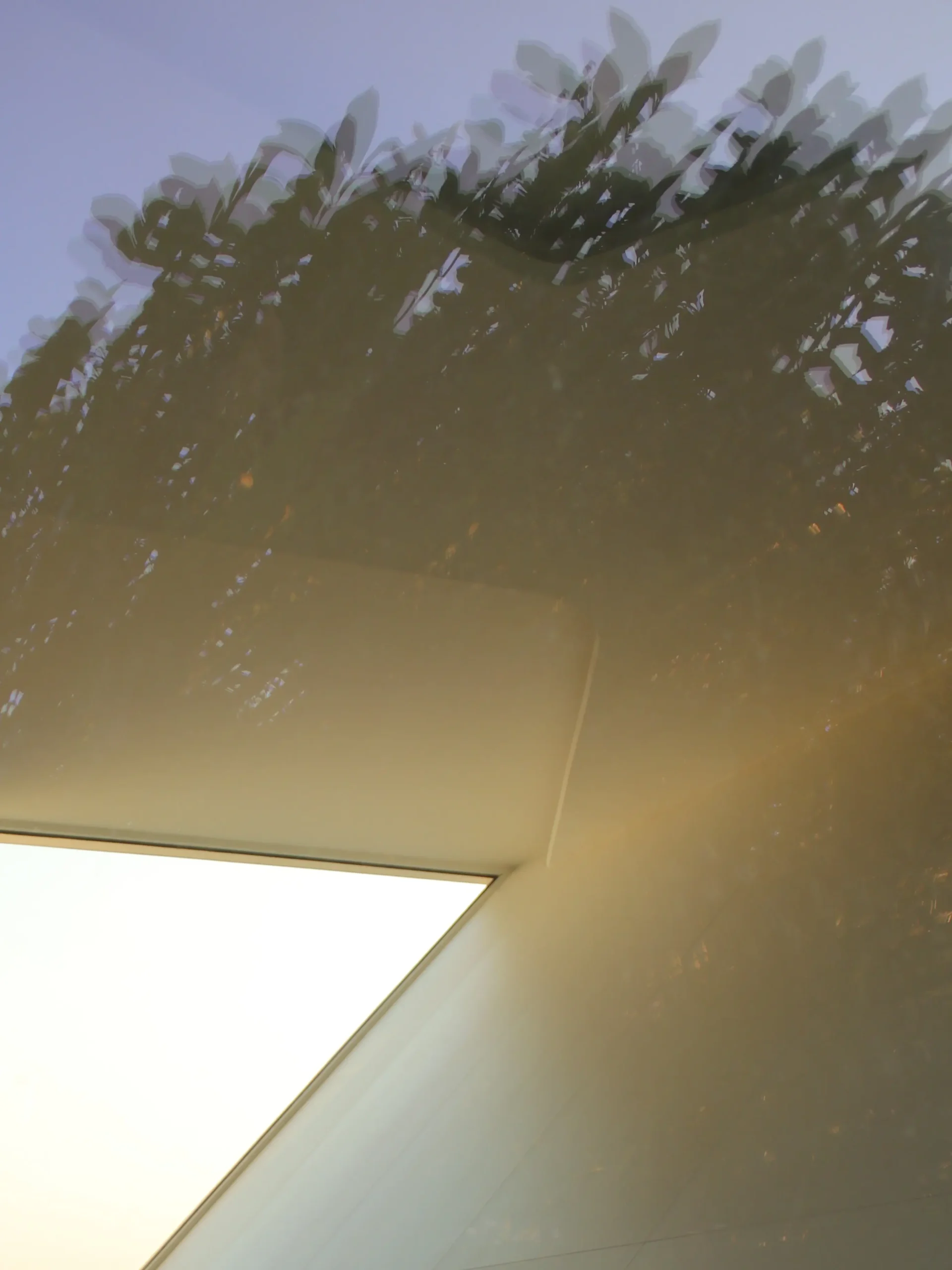

Line.Form.Silence.
The world tends to understand space as function, resource, or aesthetic. I perceive it as consciousness, as a way a person encounters themselves in silence, in form, in time. My works aren’t paintings or buildings; they’re mental maps of space, places one can enter and confront their own inner reality. This isn’t architecture for life, but architecture for consciousness.
Line.
For me, the line is the first touch of presence. It’s the moment when consciousness meets silence and leaves a trace. In that trace, emotion appears as energy, not yet shaped, but already moving. A line is consciousness in motion, the way a person writes themselves into the void.
It isn’t the result of a gesture, but of listening to a feeling that already exists and waits to be awakened. A line is a thought in motion, cutting through emptiness and bringing existence into it. Every line carries emotion as a state of being. It’s rhythm, pulse, vibration. A fragile boundary between what’s already present in the inner space and what’s still waiting to be revealed in the outer.
Line, Form, Silence is a manifesto of my perception of space, a space in which a person becomes present. It is a story of birth, of the movement of consciousness, of a beauty that does not arise from shape, but from understanding.
Form.
When a line closes, a form emerges, but not as an object, rather as a state. Form isn’t a final product, but a mediator between the inner and the outer. It carries emotional depth and allows a person’s inner world to be reflected within it. It’s a place where dynamics transform into space, a space that can be experienced, not merely seen.
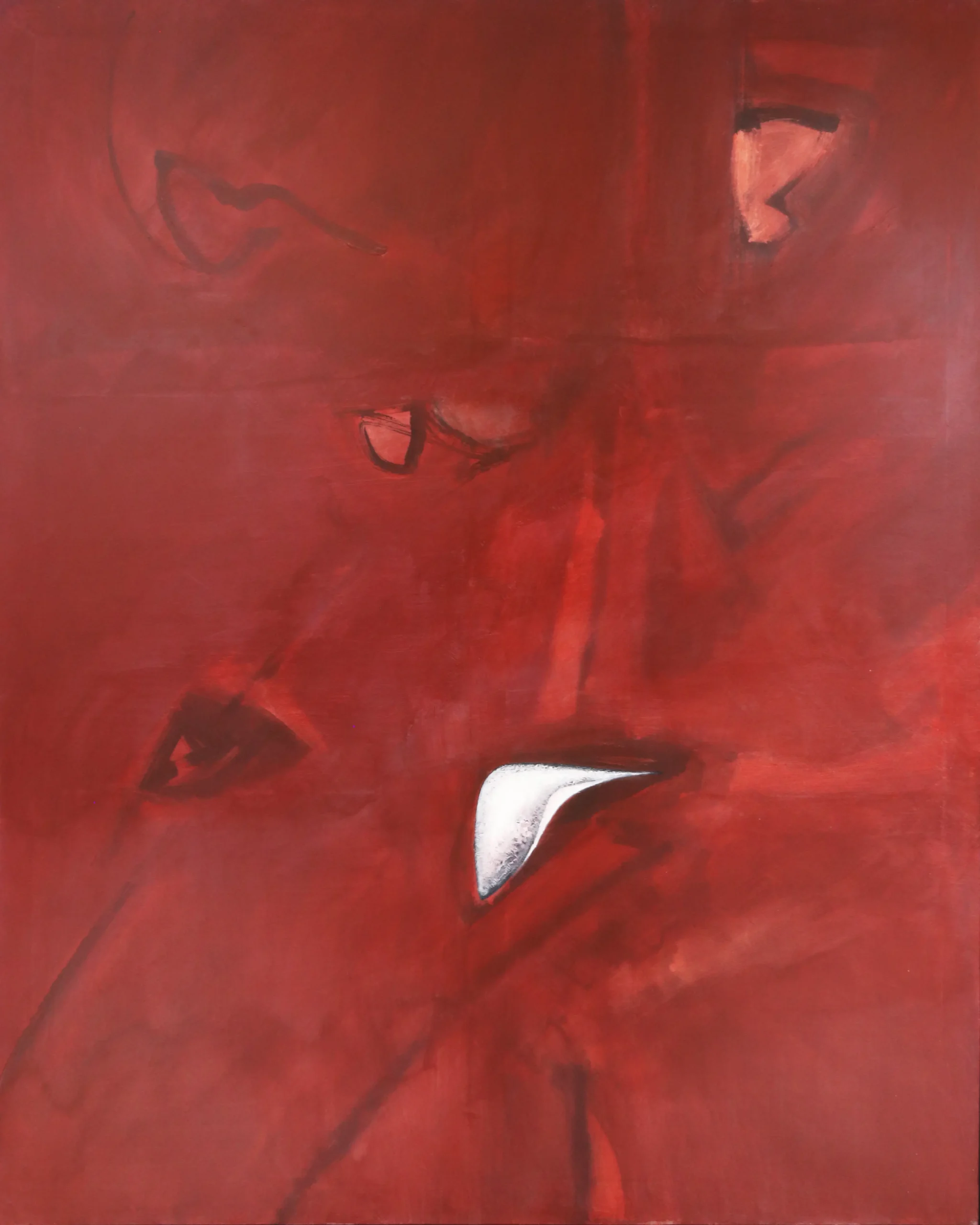

It’s an expression of vital energy. It conveys feeling. It’s the moment when the energy of emotion reaches its fullest density and transforms into a space that can be felt.

In my understanding, form has an archetypal dimension and embodies the feminine principle of creation, not as corporeality, but as the energy of receptivity, openness, and endurance. Shape becomes a place where the invisible turns into the present, where aesthetics transforms into experience.

Form is consciousness learning to inhabit a body. Within this subtlety arises a space that isn’t an object, but presence. Architecture thus ceases to be a building and becomes a state of being. As one moves through it, the rhythm of breathing, the perception of light, and the relationship with oneself shift. Form, then, is a path to inner space, not to an object. Something that can’t be possessed, only experienced.
In painting, as in architecture, form and shape act as mediators of feeling. They’re a membrane between the outer world and the deeper, inner one.
Silence.
It’s a state where there’s no divide between inner and outer, painting and architecture, consciousness and dream. Silence is a constant beginning, the source from which everything arises. It’s the moment of existence before space becomes something that can be named or described.

In this context, woman doesn’t signify a biological or social identity. It represents an archetypal state of openness, calm, return, and depth. It’s a philosophy of presence, a way of being in which form isn’t the result of a decision, but a natural response to the present moment. The form of woman isn’t a figure, it’s silence in space. In architecture, we approach it by letting go of monumentality, and in painting, by dissolving into color.
I looked for a shape that wouldn’t act as a boundary, but as a transition. Not a circle, not a square, because those forms already know themselves. Silence needed a form that doesn’t yet know what it is, a form that’s simply becoming. And yet, everything is already there within it: movement before form, light before color, meaning before consciousness.


Silence revealed itself as an embryonic realm, where everything that can exist is born, though not yet spoken into being. It’s a state where space isn’t an environment, but being itself, a place where every possibility is fully present. Silence is the form of space that hasn’t yet learned its limits.
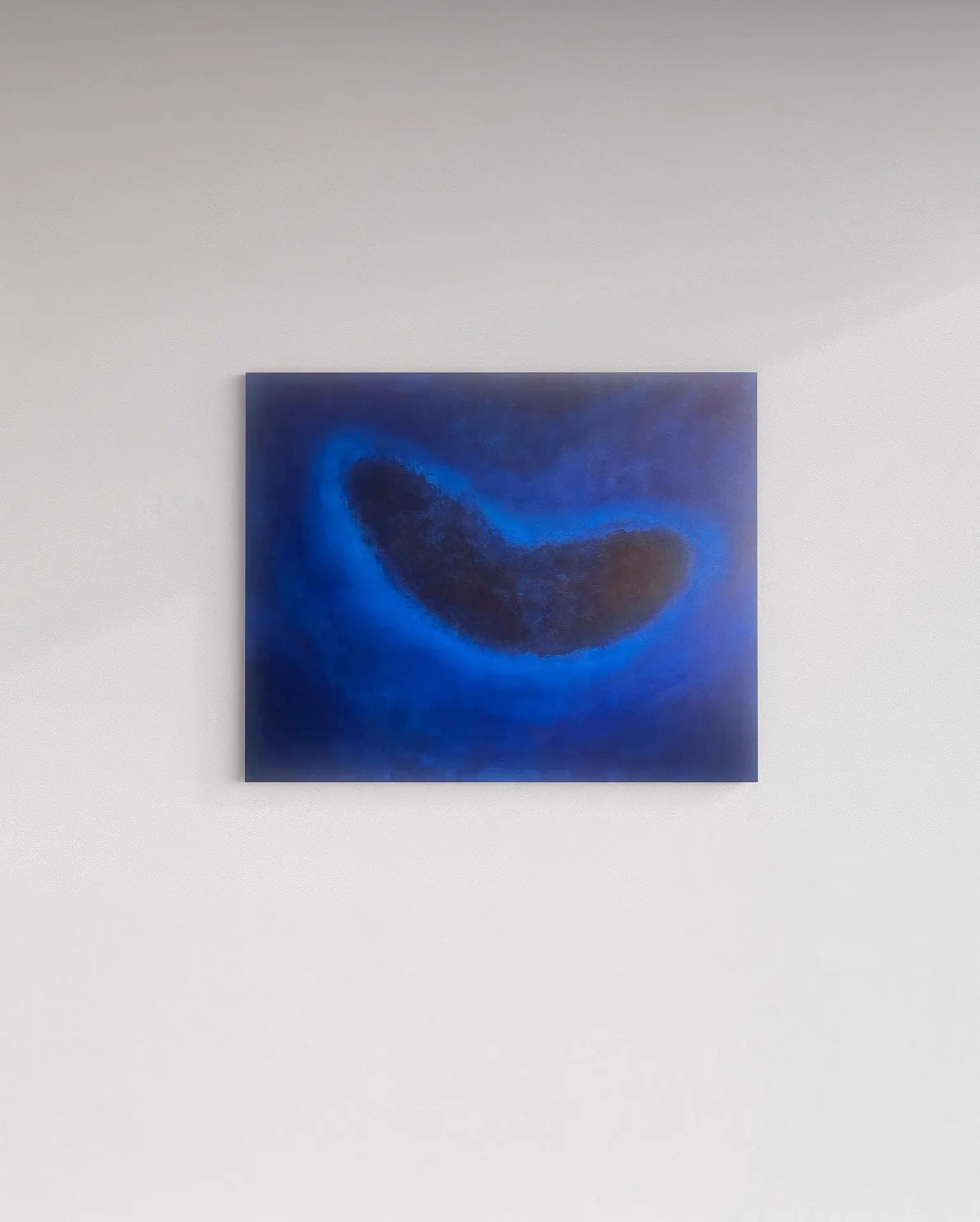
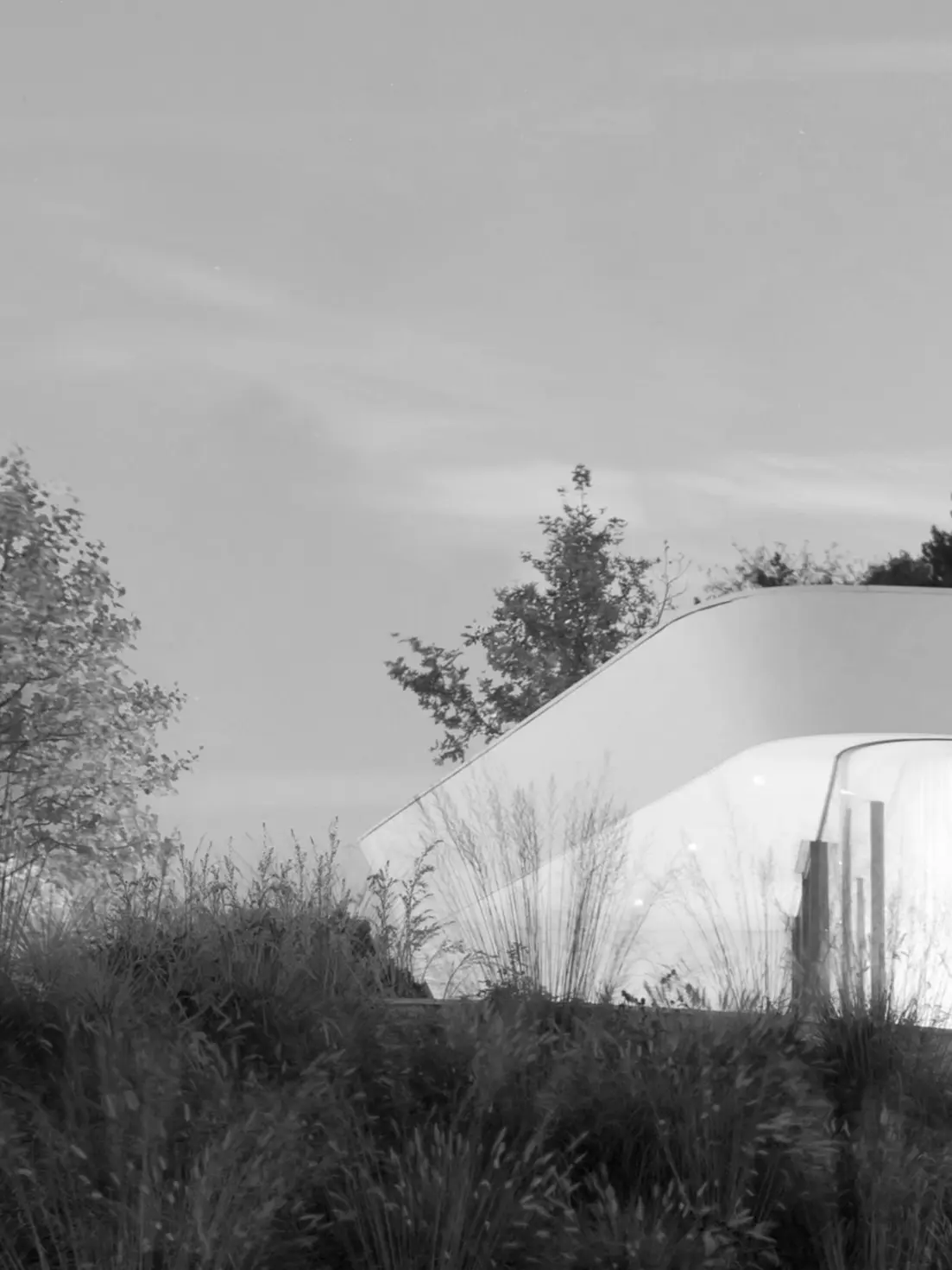

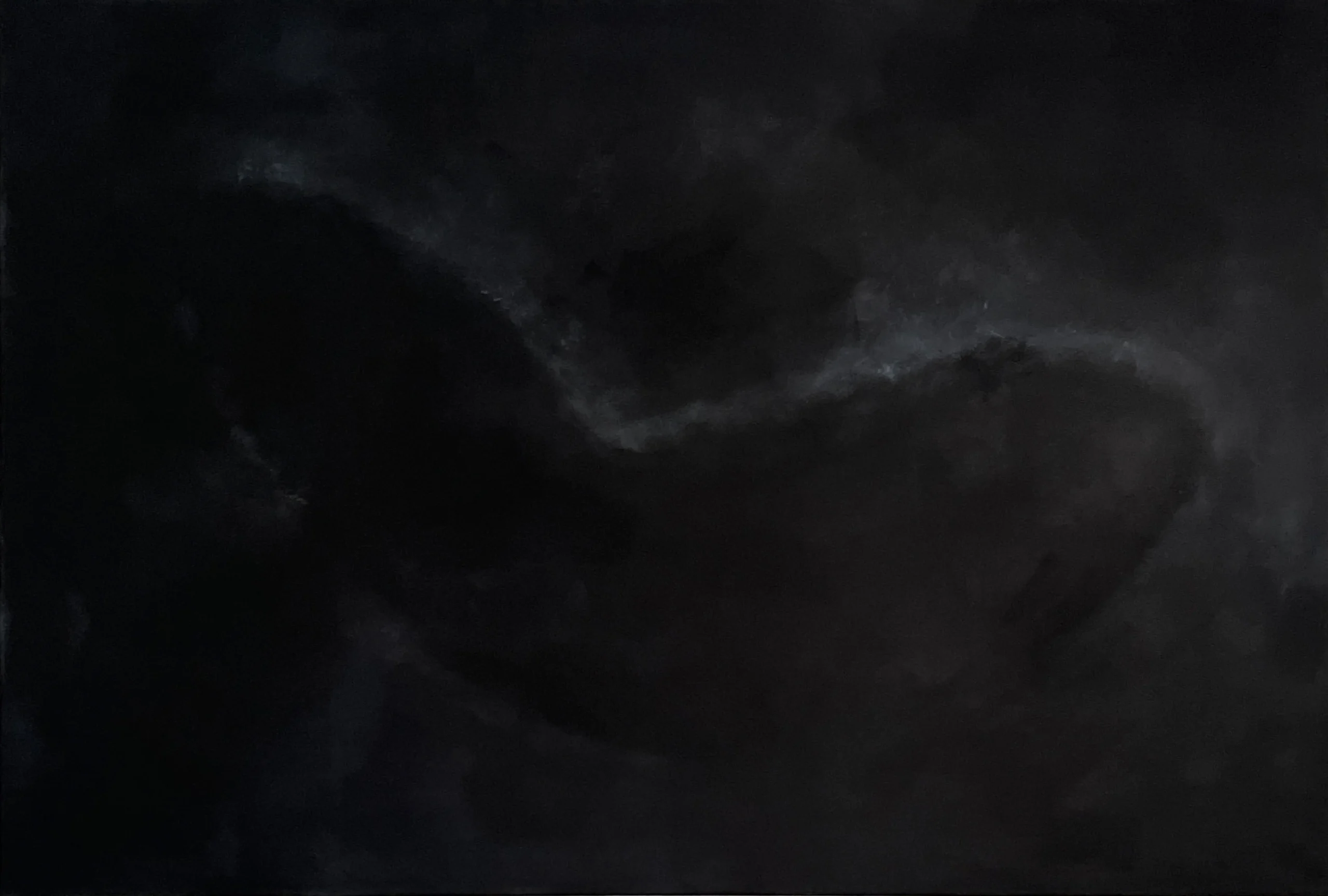
Space becomes a medium of consciousness itself. It’s a place where the world can be felt anew. Lines, forms, and embryos aren’t objects. They’re states of existence that return the viewer to the original meaning of life and the capacity to simply be. In an age overwhelmed by visual stimuli, information, and rapid perception, I offer a return to silence, where space becomes the ground of being.